Phalloplasty Resources » Phalloplasty Journal Articles
Zephyr Surgical Implants

Zephyr Surgical Implants (ZSI) were created specifically for transgender men and nonbinary people who have had phalloplasty. The goal was to design implants that fit the neophallus better than traditional devices, with features like a wide base for anchoring, a firm glans, and a pump shaped like a testicle. Initially, early studies suggested that these implants were safe and had high patient satisfaction. Many patients were able to have penetrative sex, and short-term complications appeared manageable.
However, as more patients received these implants and follow-up periods lengthened, the picture became more complex. Later studies show that complications such as mechanical failure, infection, malposition, or erosion are relatively common, especially with the hydraulic ZSI 475 implant. About half of implants may experience problems over time, and revision surgeries are often needed. Patients who receive a second implant or who have urethral lengthening may face an even higher risk of complications.
Overall, the ZSI implants represent an important step toward phalloplasty-specific prosthetics, but long-term outcomes highlight that these devices are not yet “perfect.” Patients and surgeons should be aware of the risks and limitations, and ongoing research will be key to improving safety, durability, and patient satisfaction.
Below, you can find all the studies examining Zephyr implants. These studies looked at surgical outcomes, complication rates, device survival, and patient satisfaction in both malleable and hydraulic implants. For patients, this information matters because it helps set realistic expectations, informs decisions about which implant may be right for them, and highlights the importance of close follow-up after surgery.
Important note: Zephyr penile implants are not available in the USA and ZSI is not currently seeking FDA approval. At this time, they are available in Australia, New Zealand and in some countries in Europe and South America. View a map of surgery centers around the world that are using Zephyr penile implants.
ZSI 475 FTM Hydraulic Penile Implant
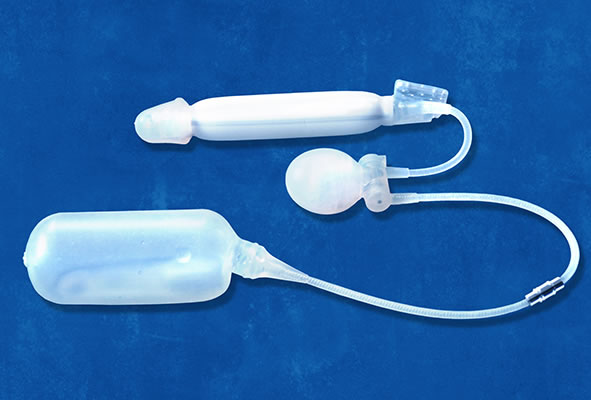 Hydraulic and malleable female-to-male penile implants after phalloplasty in transgender individuals: A retrospective cohort analysis.
Levy, M., van der Sluis, W. B., van Abbema, E. L., Ronkes, B. L., van Moorselaar, R. J. A., Bouman, M.-B., & Pigot, G. L. S. (Sept 2025). BJU International.
This study looked at the outcomes of two types of Zephyr penile implants (hydraulic ZSI 475 and malleable ZSI 100) placed in transgender men and nonbinary people after phalloplasty. Researchers reviewed the records of 50 patients who received a total of 85 implants between 2017 and 2024.
Both types of implants had similar rates of infection and long-term problems, such as device failure, movement out of place, or erosion. About half of all implants developed complications over time. After three years, only about one in three implants were still working without needing to be removed.
The study also found that patients who had a second implant placed (after the first one was removed or replaced) were more likely to have complications than those receiving their first implant. Additionally, people who had urethral lengthening were more likely to develop problems in the long term.
Overall, the study shows that while Zephyr implants are designed for phalloplasty, they still carry a high risk of complications, and patients should be aware of the challenges that may come with both first-time and repeat surgeries.
Surgical Outcomes of the ZSI475 FtM Inflatable Erectile Prosthesis Implantation After Phalloplasty [FULL TEXT]
Marchand, Salomé et al. Urology, Volume 198, 217 - 221, April 2025.
This study looked at the ZSI475 FtM implant in people who had phalloplasty. Between 2016 and 2024, 89 patients received the device, with some having more than one surgery (130 surgeries in total). Here’s what the study found:
- 53% of surgeries led to a complication.
- The most common problem was mechanical failure (40%).
- Other issues included infections (6%), poor positioning (5%), and erosion (1.5%).
- Infections and erosion always required implant removal.
- Complications caused 60 more surgeries, usually to replace, remove, or reposition the implant.
- Complications appeared after about 1.6 years, on average.
- The average implant lifespan was 5.4 years.
- After 4 years, 74% of implants were still working.
The ZSI475 FtM implant is made for trans patients and offers some benefits, but complications remain common. More research, especially across multiple hospitals, is needed to improve outcomes.
Editorial Comment: "Penile implant placement after phalloplasty is wrought with complications. In order to improve patient outcomes, the ZSI475 inflatable penile prosthesis was created with phalloplasty-specific features including a wide anchor plate, a single cylinder, a testis-shaped pump, and a detachable glans implant. Pictures of this implant attract patients and surgeons as it appears to be well suited for the neophallus. The authors have the largest reported experience in placing ZSI implants. Despite their expertise and the phalloplasty-specific implant design, the overall revision rate exceeded 50%, with mechanical failure being the most common reason for surgical correction. For comparison, the average surgical revision rate for Coloplast and Boston Scientific inflatable implants is about 40%. The ZSI475 implant is therefore not ready for widespread use." — Mang L. Chen, Urology, January 15, 2025.
The
Frontier of Penile Implants in Phalloplasty: Is the ZSI 475 FTM
what we have been waiting for? [FULL TEXT]
Preto, M., Blecher, G., Timpano, M. et al. Int J Impot Res,
January 2021.
Right now, there isn’t a “perfect” penile implant for people who have had phalloplasty. In an ideal world, an implant would never get infected, would always stay in place, would work reliably without breaking, and would feel natural in the body.
The reality is more complicated. After phalloplasty, the risk of complications from implants is much higher than in cisgender men with erectile dysfunction. While new devices like the ZSI-475 FTM implant have been designed specifically for transgender patients and may offer some advantages, research is still limited. More studies are needed to know how well these implants last, how often complications happen, and how patients feel about their results over time.
Implantation of the Zephyr ZSI 475 FTM erectile
device in cis- and transmen after phalloplasty: initial
experience and prospective analysis of surgical outcome
Wesley Verla, MD, Dept. of Urology, Ghent University Hospital. The Journal of Sexual Medicine, Volume 18, Issue 3, March 2021, Pages 615–622.
This study followed 46 people who received the Zephyr ZSI 475 FTM implant, including 39 transgender men and 7 cisgender men. The average age at surgery was 35, and patients were followed for about a year after their procedure.
Some patients experienced complications: 5 developed infections (11%), 2 had the implant shift out of place (4%), 2 had mechanical problems with the device (4%), and 1 had the implant push forward under the skin (2%). In all of these cases, another surgery was needed to correct the problem.
Overall, the study shows that placing the ZSI 475 implant after phalloplasty is possible and appears reasonably safe in the short term. The early results are encouraging, but more research with longer follow-up is needed to know how well the implant performs over time.
First Outcomes of the ZSI 475 FtM, a Specific
Prosthesis Designed for Phalloplasty
Paul Neuville, et al. The Journal of Sexual Medicine,
January 2019.
This was the first study to share results on the ZSI 475 FtM implant, which was created specifically for people who have had phalloplasty. The design includes features meant to improve both function and appearance, such as a wide base to anchor to the pubic bone, a glans (head) that feels firm and realistic, and a pump shaped like a testicle.
Among the 21 patients who received this implant, complications included 2 infections that were treated with medicine (10%), 1 infection that required the implant to be removed (5%), 2 cases of mechanical failure (10%), and 1 implant that shifted out of place (5%).
When asked about satisfaction, nearly all patients (93%) said they were satisfied or very satisfied with the implant. Overall, early results are promising, but longer-term studies are needed to fully understand how safe and durable the device is over time.
ZSI 100 FtM Malleable Penile Implant
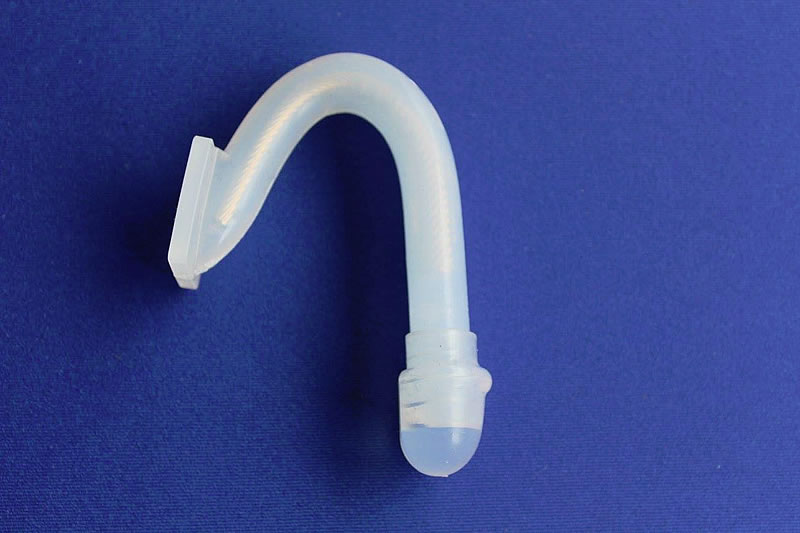 Surgical
Experience and Outcomes of Implantation of the ZSI 100 FtM
Malleable Penile Implant in Transgender Men After Phalloplasty.
Surgical
Experience and Outcomes of Implantation of the ZSI 100 FtM
Malleable Penile Implant in Transgender Men After Phalloplasty.
Pigot GL, et al. The Journal of Sexual Medicine, January
2020.
This was the first study looking at the ZSI Malleable Penile Implant in transgender men and nonbinary people after phalloplasty. It included 25 patients, with an average age of 36 at the time of surgery. The average follow-up period was just over 6 months. About 1 in 3 patients (32%) had their implant removed because of complications, such as infection, the implant pressing through the skin, or pain. Another 3 patients chose to have the implant removed because they found it difficult to live with a malleable device. Among those who still had their implant in place, almost all (93%) were able to have penetrative sex.
Back to Phalloplasty Journal Articles »
Last updated: 09/05/25